
Some Central Banks have changed their strategy as a result of the significant shift in global economic dynamics experienced in the world market.
These apex banks, which used to take the lead in making policies for their economies and their dealings in the world market, are now playing the second fiddle while the governments take the front seat in shaping fiscal policies, thereby influencing market conditions and investment strategies. This change in market conditions has led Central Banks to adopt more supportive roles, adjusting their monetary policies in response to these fiscal changes, driven by government policies.
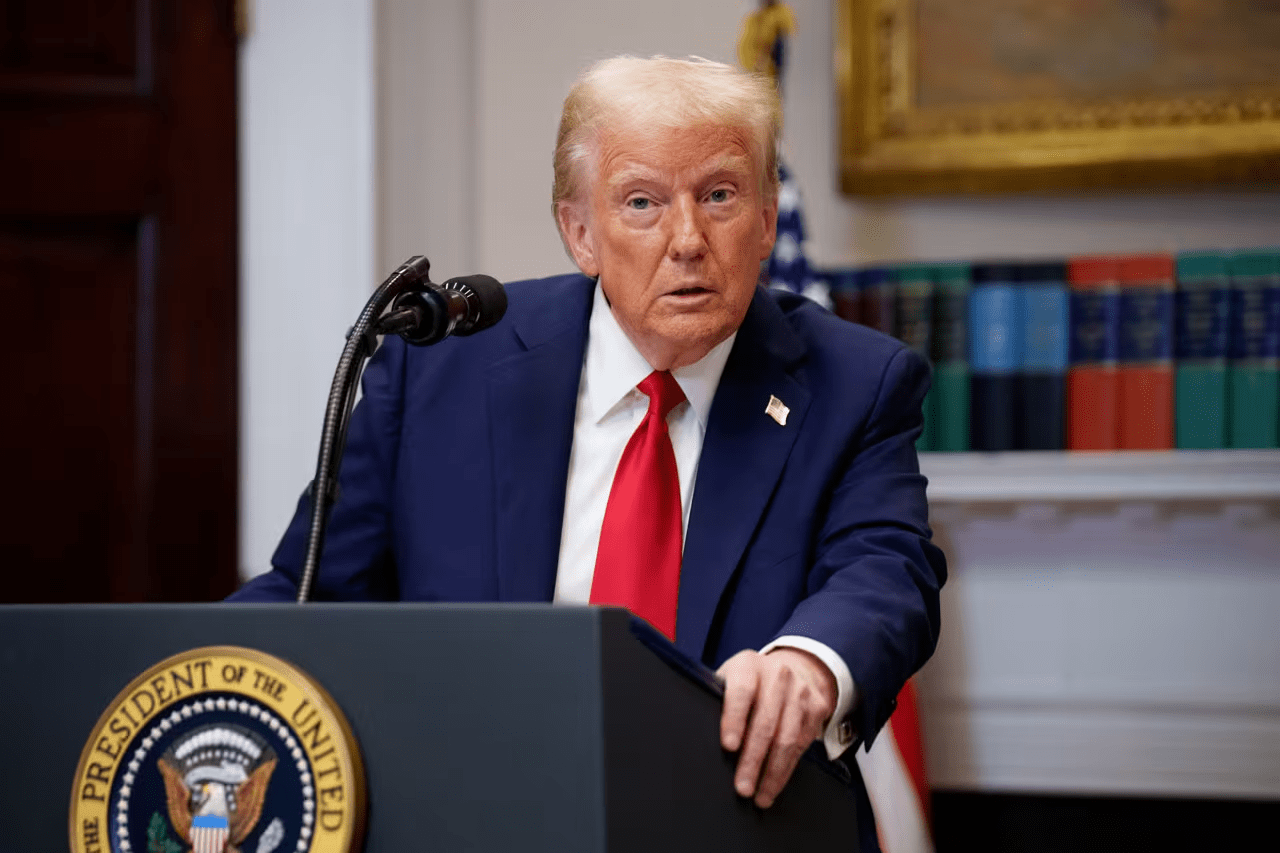
The President Donald Trump-led U.S. aggressive trade policies have disrupted longstanding economic forecasts and investment flows. The initiation of trade wars and the reconfiguration of political alliances have also introduced a high degree of uncertainty, which affects domestic and international markets. This development has led to increased volatility in stock markets and a surge in economic policy uncertainty.
In Europe, these developments have prompted a reevaluation of fiscal strategies. According to Reuters, Germany, for instance, has announced a substantial defense and infrastructure spending plan, marking a significant shift in its fiscal policy. Additionally, joint European borrowing initiatives are gaining traction, indicating a move towards more coordinated fiscal responses within the European Union.
China, which aims to counter external economic pressures, has implemented stimulus measures to achieve its ambitious 5% growth target. These measures are designed to boost domestic demand and mitigate the impact of reduced export revenues resulting from heightened trade tensions.
The Federal Reserve faces challenges in forecasting economic trends due to the volatile trade environment. This uncertainty has led to a more cautious approach in adjusting interest rates, as traditional economic indicators become less reliable predictors of future conditions.
For investors, this situation calls for an increased focus on fiscal policy developments. With central banks adopting a more reactive stance, government fiscal decisions are now primary drivers of economic indicators and market movements.