
Months after the Mission 300 in Dar es Salaam, Tanzania, where leaders of African nations and international partners committed to expand access to reliable, affordable, and sustainable electricity to 300 million people in Africa by 2030, Nigeria has taken a bold move in this direction.
Nigeria, Africa’s biggest economy, entered into a $200 million agreement with WeLight, a pan-African Distributed Renewable Energy (DRE) company, to deploy hundreds of renewable mini grids. The main goal of this initiative is to deliver reliable electricity to millions in rural and suburban areas, which aligns with Nigeria’s strategy to increase the share of renewable energy in its electricity mix from 22% to 50%, leveraging private investment to achieve this goal.
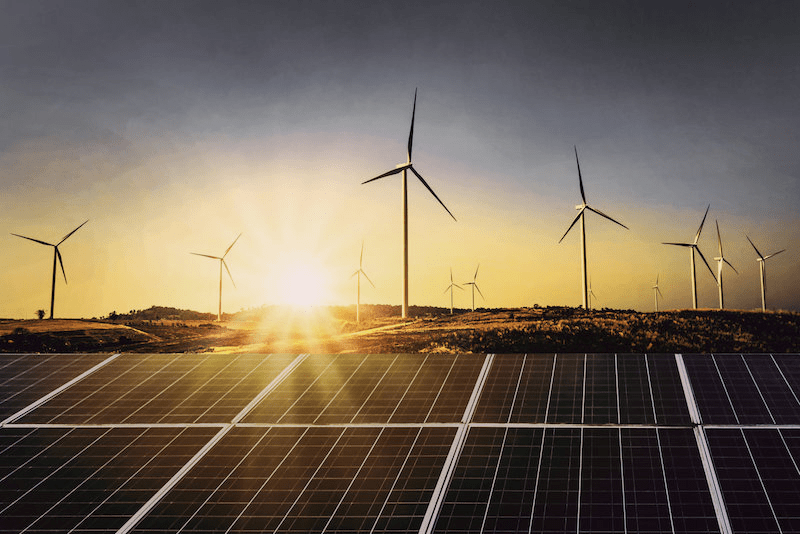
Supported by the World Bank and the African Development Bank, the project will involve the development and operation of 400 mini grids and 50 MetroGrids, enhancing electricity access for an estimated 1.5 to 2 million people and stimulating local economies, according to Reuters. The deal marks a major step forward facilitated by a Memorandum of Understanding (MOU) signed with Nigeria’s Rural Electrification Agency (REA). This partnership also supports WeLight’s wider objective of establishing itself as a key pan-African energy provider.
This move aligns with the objectives of the Mission 300 initiative, launched at the Africa Energy Summit in Tanzania, which aims to connect 300 million people to electricity in Sub-Saharan Africa by 2030. The scheme seeks to mobilise at least $90 billion from various sources, including multilateral development banks and private businesses.
Countries, including Nigeria, Senegal, Zambia, Tanzania and others, have pledged to reform their electricity utility companies, integrate renewable energy, and increase national electricity connection targets.